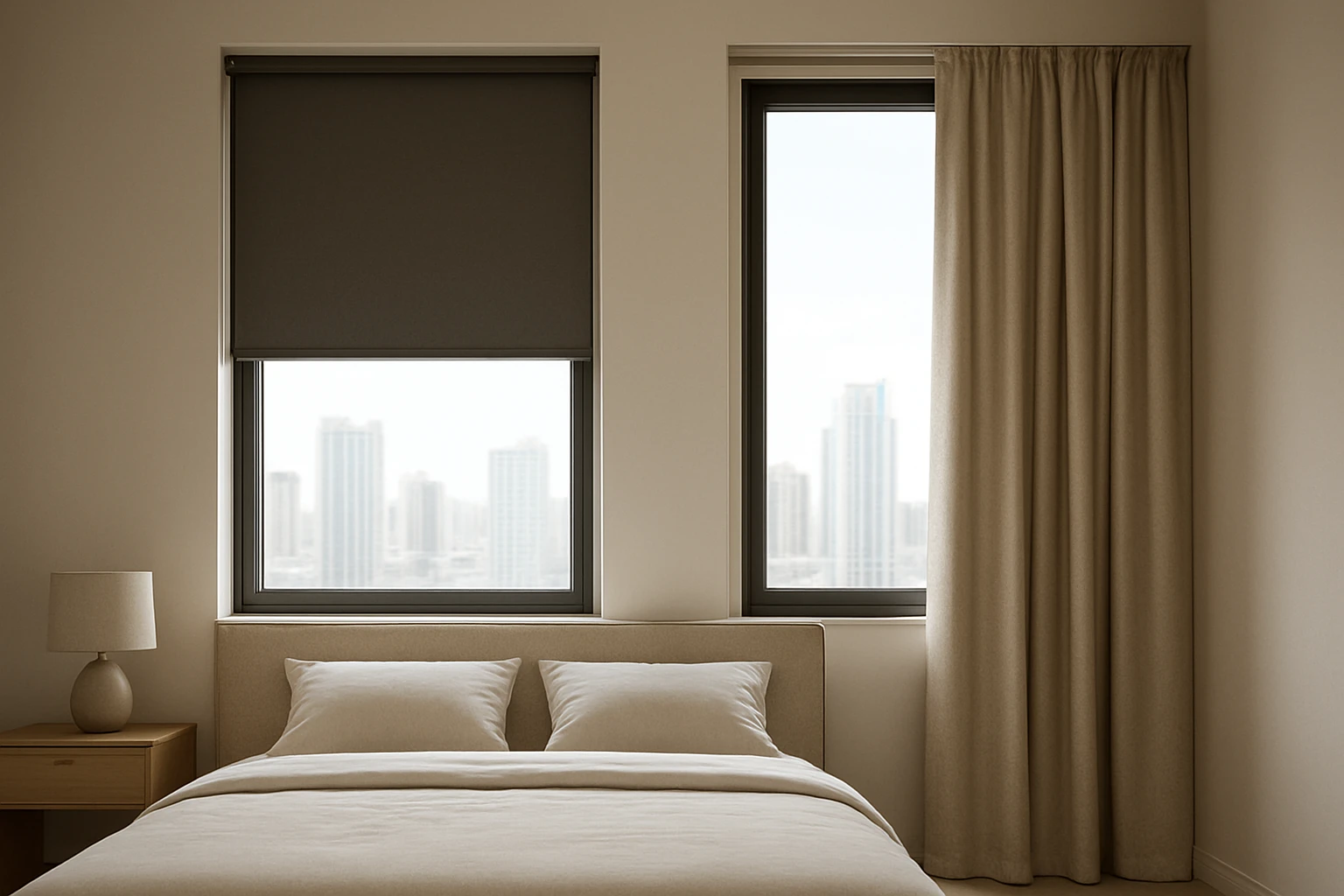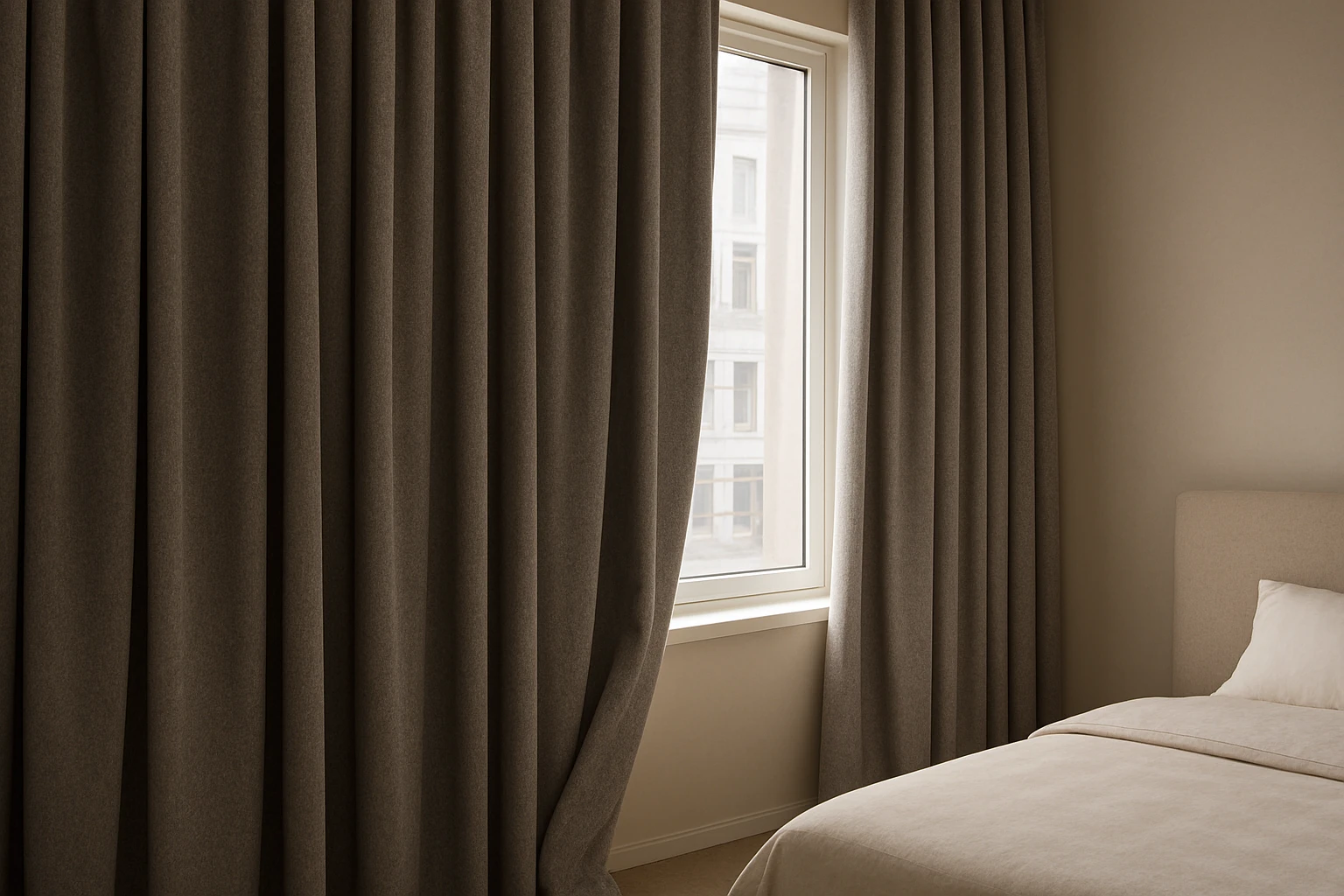
When it comes to window treatments, layering blinds, and curtains is a great way to create a stunning designer look in your home. The key is choosing complementary styles and colors for your blinds and curtains that work together seamlessly. Follow these six steps by Design Furniture, if you don’t know how to use blinds and curtains together for a stunning designer look.
Step By Step Guide to Use Blinds and Curtains Together
Consider the Room and Windows
First, consider the room where you want to install window treatments. Think about its purpose and the style you want to achieve. A cozy living room and a bright, airy kitchen have different requirements. Examine the type, size, and placement of your windows, as these factors influence your choice. Measure each window carefully to ensure the blinds and curtains fit properly.
2. Select Blind Style and Color
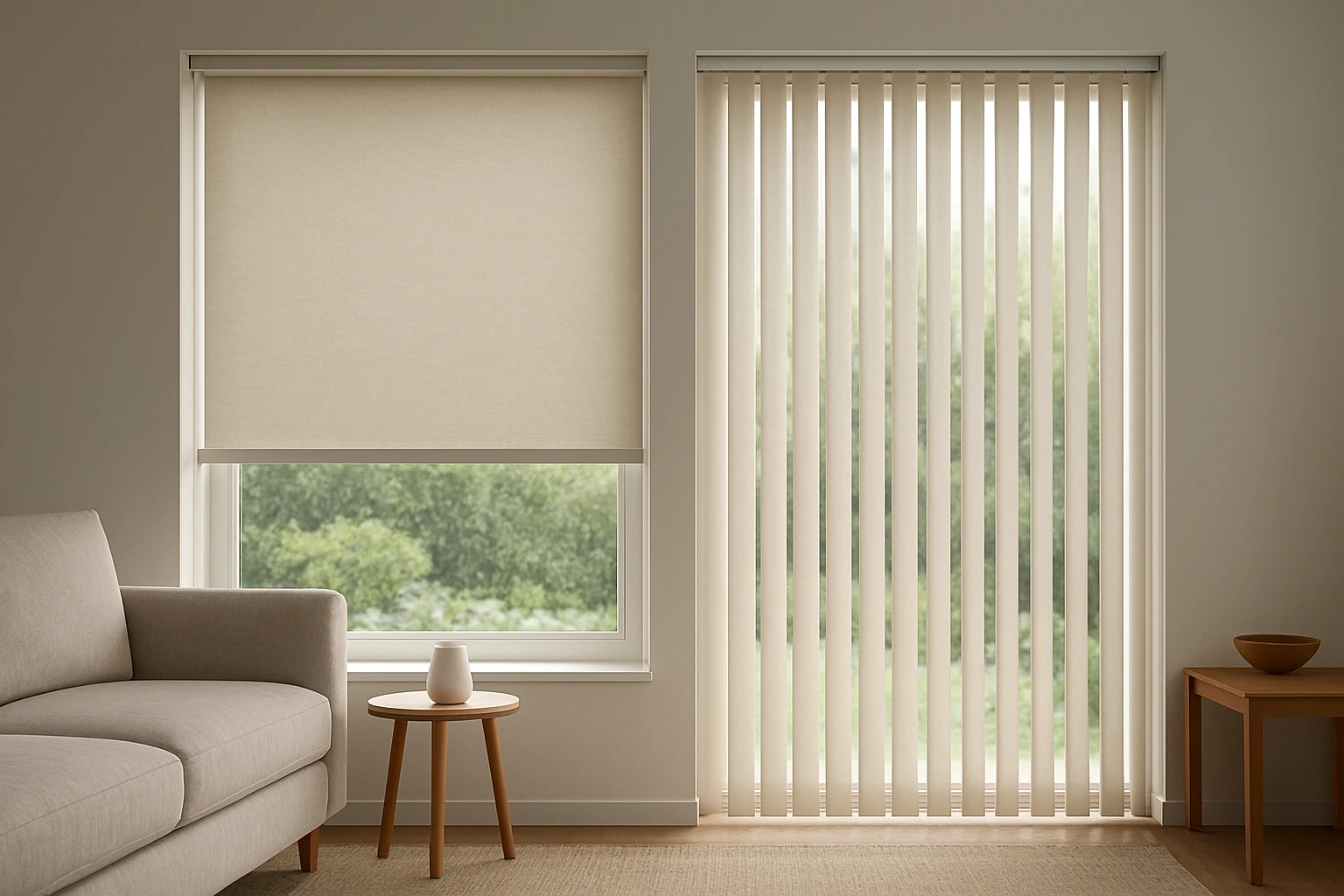
Choose blinds Dubai that suit your room’s needs and interior style. Roller blinds offer flexibility, wooden blinds create a natural appearance, faux wood blinds provide durability, and vertical blinds work well for large windows and sliding doors. Coordinate the color with your furniture, flooring, and wall shades. Neutral colors are versatile and easy to match with different décor styles.
3. Choose Coordinating Curtain Style and Fabric
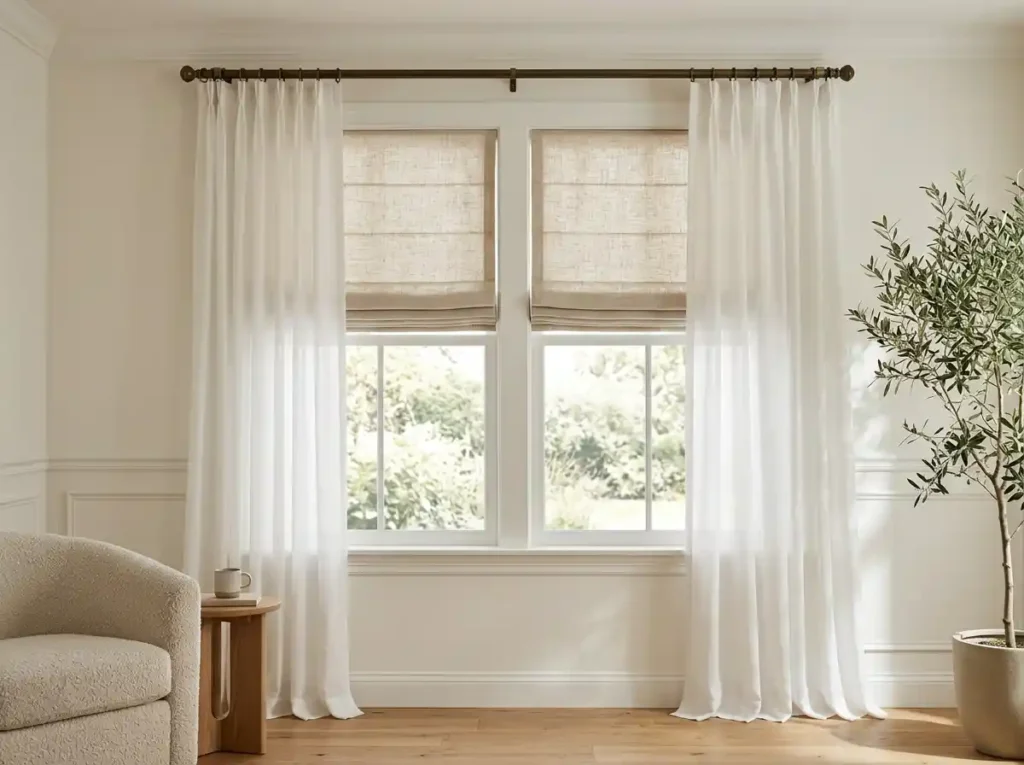
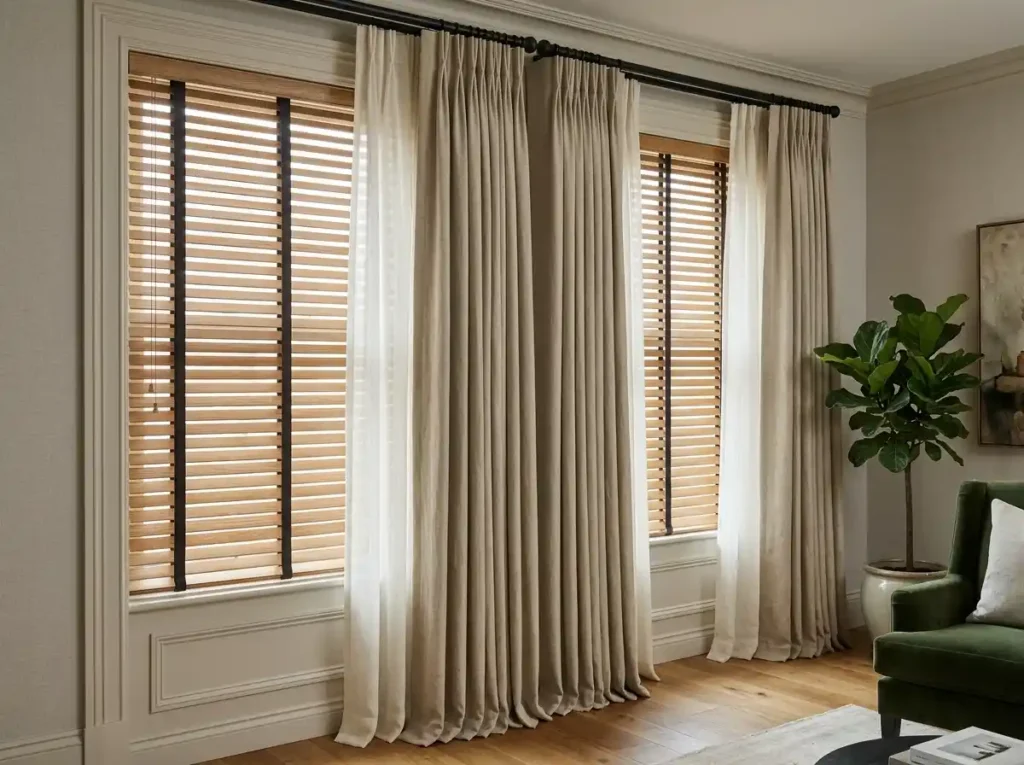
Consider how you want your curtains to hang before choosing the fabric and length. Decide whether they should touch the floor or sit just above the window frame. Select fabrics and patterns that complement your blinds. Linen and voile create a light, relaxed appearance, while structured fabrics such as damask work well with wooden blinds in traditional interiors.
4. Mix and Match Prints and Colors
Combine different textures while keeping patterns balanced. If your blinds feature a solid, neutral color, patterned curtains can introduce visual interest. If the blinds already have a noticeable pattern or wood grain, plain curtains can create a more balanced appearance. Use different print sizes carefully and maintain a consistent color palette throughout the room.
5. Mount Hardware and Hang Curtains Properly
Install blinds and curtains using suitable mounting hardware. Position them at an appropriate height according to the window size and ceiling height. Curtains that are too short may look out of proportion, while floor-length curtains create a more polished finish in many interiors. Ensure there is enough space for both treatments to operate smoothly.
6. Style and Adjust for Perfect Results
After installation, arrange the curtains evenly along the rod to create a neat appearance. Adjust the blinds and curtains Dubai to control natural light and privacy. Tie back the curtains when needed and check that both treatments look balanced. Make any final adjustments to achieve a coordinated finish.
Do’s and Don’ts for Pairing Blinds and Curtains Together
Do’s
Choose Complementary Colors
Choose blinds and curtains in complementary shades to create a coordinated interior. Neutral colors such as white, beige, and gray provide a versatile foundation and allow patterned curtains to stand out without overwhelming the room.
Mix Textures and Fabric Weights
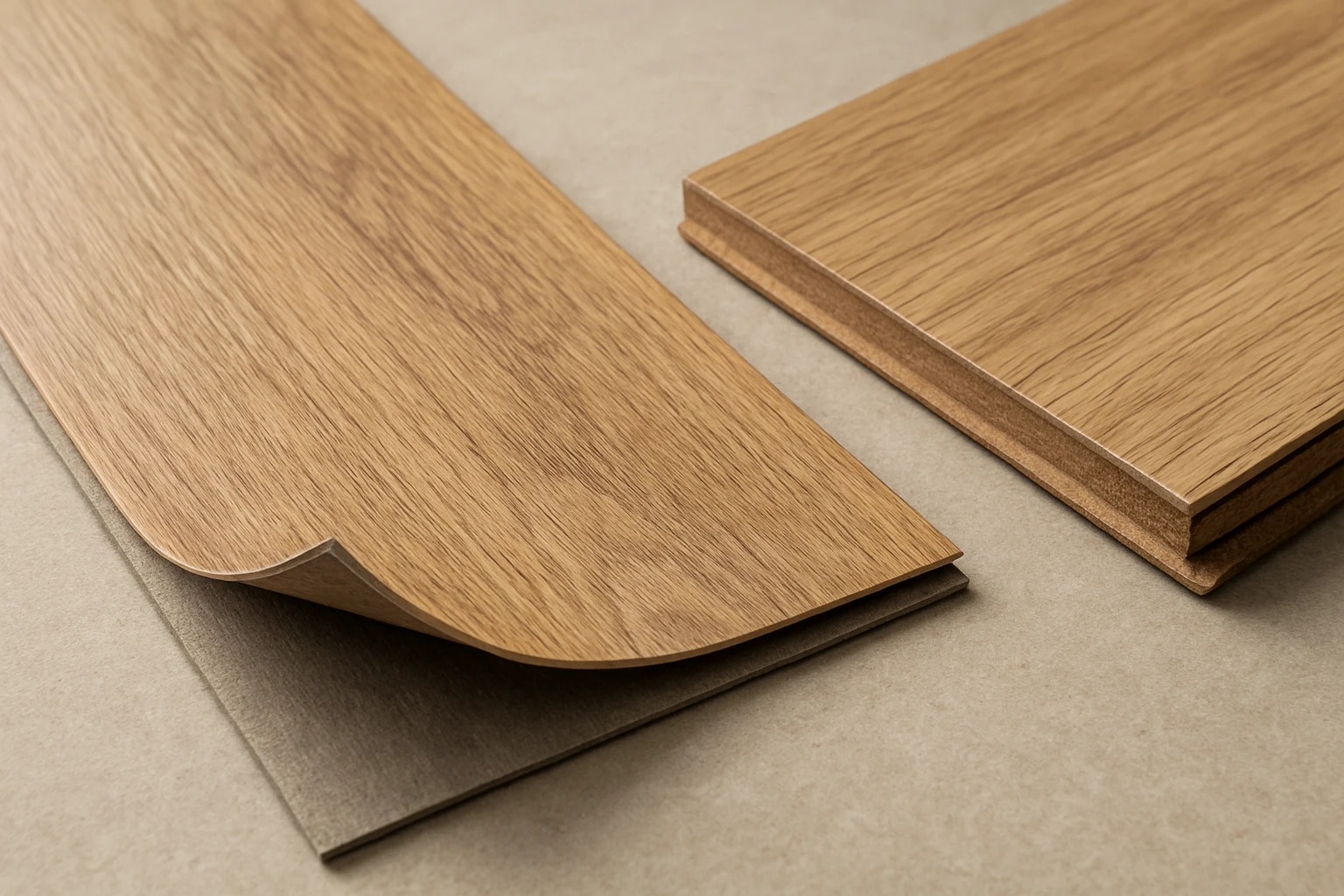
Combine different textures to add depth and visual interest. Sleek faux wood blinds pair well with lightweight linen curtains, while soft, ruffled curtains can balance the structured appearance of metal blinds.
Use Wider Curtain Rods
Choose curtain rods that extend beyond the window frame to improve coverage and create balanced proportions. Extending the rod beyond both sides of the window also allows the curtains to stack away from the glass when open.
Don’ts
Don’t Cluster Too Closely
Leave enough space between blinds and curtain rods to allow both treatments to hang and operate properly. Installing them too close together can create a crowded appearance and interfere with their movement.
Don’t Disregard Scale
Choose window treatments that suit the size of your windows and the height of your ceilings. Narrow blinds or undersized curtains can look disproportionate on large windows. Appropriate dimensions help create a balanced and attractive finish.
Don’t Allow Bold Patterns to Compete
Avoid combining multiple bold patterns that compete for attention. If your blinds feature a strong pattern, choose simpler curtains, or use patterned curtains with plain blinds. This approach keeps the overall design visually balanced.
Combining blinds and curtains allows you to control light, improve privacy, and create a coordinated interior. By considering colors, textures, proportions, and functionality, you can select window treatments that complement your space and suit your everyday needs.
Conclusion
Finally, you know how to use blinds and curtains together for a stunning designer look. Layering window treatments not only gives you great control over incoming light but also boosts the design quotient of any room when done fashionably. By picking complementary blinds and curtains and expertly mingling patterns, colors, and textures, you can easily attain a glam designer aesthetic.
Just be sure to measure properly, maintain visual harmony, and style the paired pieces in relation to one another. Follow these six tips for stunning results anybody would envy. Soon, your rooms will have that tailored finish you’ve always longed for, with beautiful, blended window dressings elevating the ambiance.