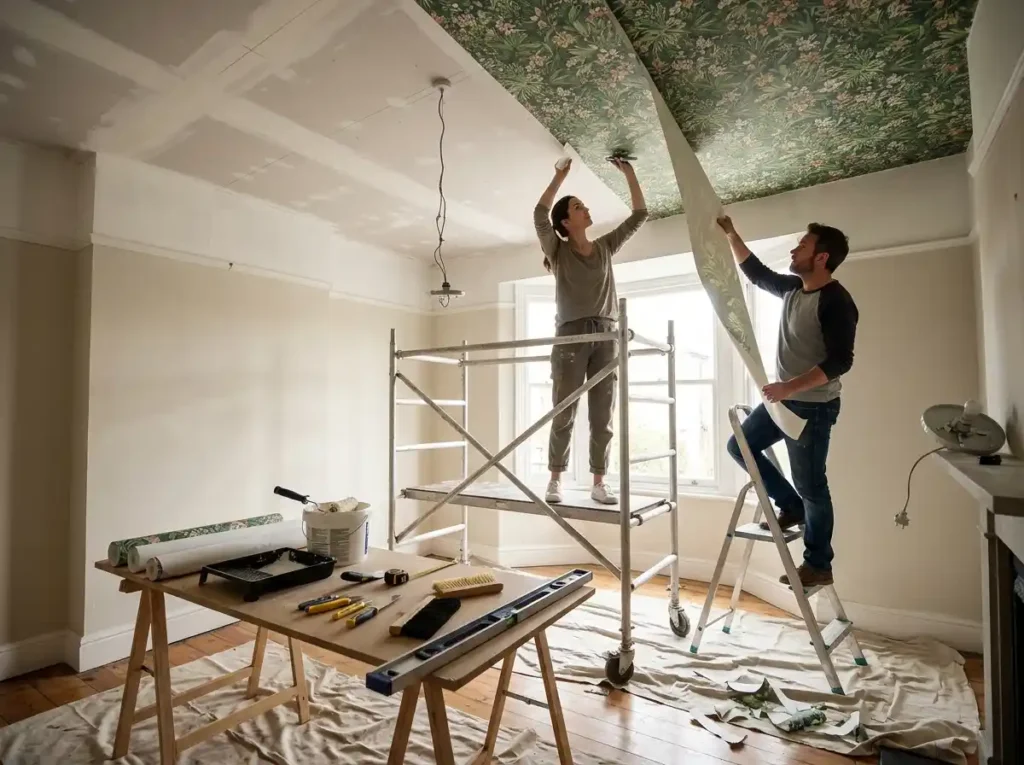
People often forget about the ceiling when they decorate their homes. However, wallpaper can add a new and stylish element to any room. Ceiling wallpaper can improve your house decor! Before starting this interesting task, you should know these crucial factors. Get a ladder and prepare to be inspired as we explore the seven tips for wallpapering your ceiling successfully.
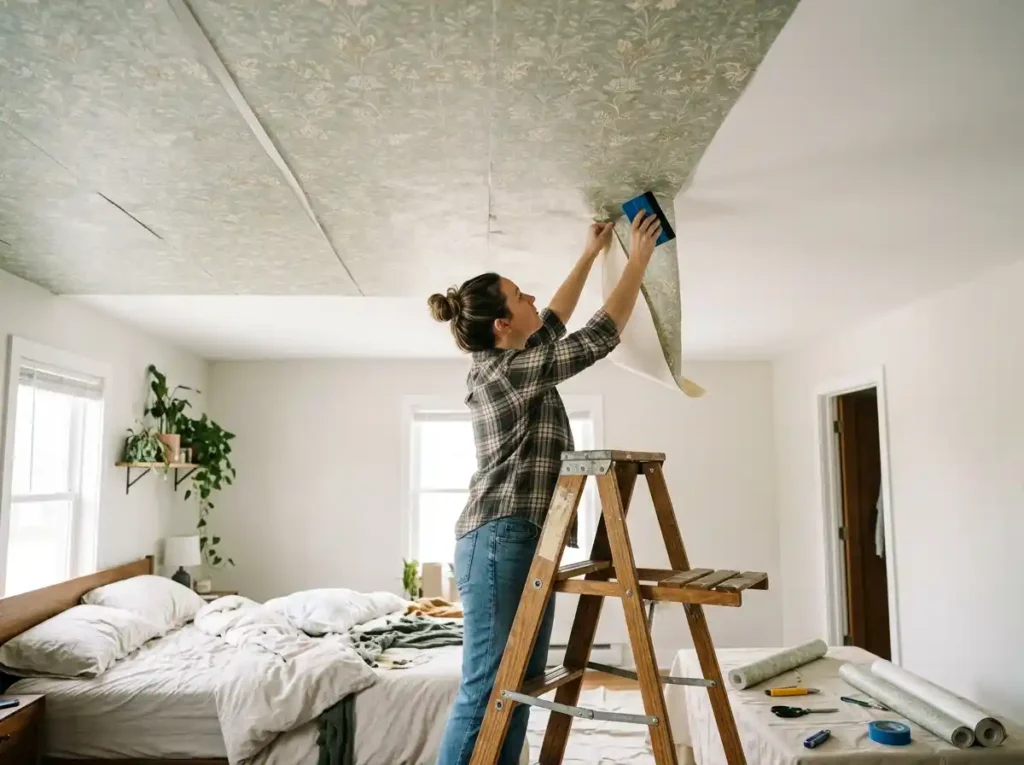
Look At Your Ceiling Before Putting up Wallpaper
Prepare Your Ceiling Before Applying Wallpaper
Before installing wallpaper on your ceiling, it is important to check the surface condition. Proper preparation helps the wallpaper adhere correctly and creates a smooth, professional finish. Follow these steps to prepare your ceiling.
Step 1: Inspect and Repair the Ceiling
Check the ceiling for cracks, holes, and uneven areas. Fill any imperfections with spackle or joint compound, then sand the repaired areas until they are smooth.
Step 2: Check for Water Damage
Look for water stains, damp patches, or signs of moisture. Resolve any underlying moisture problems before installing wallpaper to prevent peeling, staining, and other issues in the future.
Step 3: Assess the Ceiling Texture
Determine whether your ceiling has a smooth or textured surface. Different wallpapers work better on different surfaces, so choose a suitable product for your ceiling’s texture.
Step 4: Remove Existing Wallpaper or Loose Paint
If the ceiling already has wallpaper or peeling paint, remove the old material and prepare the surface properly before applying the new wallpaper. Make sure the ceiling is clean, dry, and stable.
Step 5: Clean the Surface
Wipe the ceiling with a slightly damp cloth to remove dust, grease, and other debris. Allow it to dry completely before proceeding with installation.
Choose the Best Wallpaper for Your Ceiling
Selecting the right ceiling wallpaper can improve the appearance and atmosphere of your room. Consider the following factors before making your choice:
– Choose ceiling-suitable wallpaper: Select wallpaper that is appropriate for ceiling installation rather than assuming every wall covering will work equally well.
– Consider durability: Choose a material that suits the room’s conditions, particularly in areas exposed to humidity.
– Match your interior style: Select a design that complements your existing décor, whether modern, traditional, or eclectic.
– Consider ceiling height and room size: Large patterns can overwhelm smaller rooms, while delicate designs may look less noticeable on high ceilings.
– Choose the right texture: Decide whether you prefer a smooth finish or textured wallpaper that adds depth and visual interest.
– Coordinate the colours: Choose shades that complement your furniture, walls, and decorative accessories.
– Select the right application method: Decide between traditional wallpaper that requires adhesive and peel-and-stick wallpaper, which can be easier to install and remove when the surface is suitable.
Match Ceiling Wallpaper to Your Interior Design Style
Your home’s decorating style should guide your ceiling wallpaper selection. Choose a design that complements the room’s existing theme, furniture, and overall atmosphere.
Simple and Modern
For a clean, contemporary look, choose plain wallpaper, subtle patterns, or solid colours that coordinate with your furniture and decorations. Minimal designs help maintain a calm and uncluttered appearance.
Vintage
Create a nostalgic atmosphere with traditional patterns such as damask or floral designs. Soft colours, muted shades, and warm brown tones can help achieve a classic vintage look.
Bohemian
Bohemian interiors often feature expressive patterns, vibrant colours, and artistic details. Choose wallpaper that introduces personality and complements the room’s relaxed, creative atmosphere.
Moroccan
Moroccan-inspired wallpaper featuring intricate geometric shapes and decorative motifs can add character to your ceiling. These designs work particularly well when coordinated with complementary colours and accessories.
Scandinavian
For a Scandinavian-inspired interior, choose light-coloured wallpaper with natural textures, wood-grain effects, or simple abstract patterns. These designs help create a bright, peaceful, and understated atmosphere.
Industrial
Industrial-style interiors can benefit from wallpaper featuring distressed finishes, concrete effects, or urban-inspired prints. These designs complement exposed brickwork, metal fixtures, and other industrial details.
Choose the Right Colour, Texture, and Pattern
The colour, texture, and pattern of your ceiling wallpaper can significantly influence the room’s appearance. Keep the following tips in mind to create a balanced and attractive design.
Consider the Size of the Room
For small rooms with low ceilings, light colours and simple patterns can create a more open appearance. Larger rooms with high ceilings can accommodate bolder colours and more detailed designs without making the space feel overcrowded.
Consider the Lighting
Lighting can affect how ceiling wallpaper colours and patterns appear. Natural sunlight may reveal the wallpaper’s true tones, while artificial lighting can make colours look warmer or cooler. Check samples under different lighting conditions before making a final decision.
Coordinate with Furniture and Decorations
Choose ceiling wallpaper that complements the room’s existing design. Consider the colours, textures, and patterns of your furniture, curtains, rugs, and accessories to create a cohesive interior.
Maintain Visual Balance
Balance is essential when decorating a ceiling. If your walls already feature bold patterns, a simpler ceiling design can prevent the room from feeling overwhelming. Alternatively, a statement ceiling can add interest to a room with plain walls and minimal décor.
Test Samples at Different Times of Day
Light changes throughout the day, affecting the appearance of wallpaper. Test samples in the morning, afternoon, and evening to understand how their colours and textures look under different conditions.
Buy Wallpaper Samples and Compare Them with Your Décor
Testing wallpaper samples before purchasing a full roll can help you choose a design that suits your ceiling and overall interior. Consider these practical tips:
– Match your existing colours: Compare wallpaper samples with your curtains, furniture, and decorative accessories to find complementary or contrasting shades.
– Consider patterns and textures: If your furniture or carpets already have bold patterns, choose a ceiling design that maintains visual balance.
– Observe natural light: Check how sunlight enters the room at different times, as changing light can affect the wallpaper’s appearance.
– Follow your interior theme: Select wallpaper that suits your preferred style, whether modern, traditional, minimalist, or eclectic.
– Compare several samples: Place samples against the ceiling or view them in the room before making your final decision. This helps you identify a design that enhances the space without overpowering it.
Choose High-Quality Wallpaper
Selecting high-quality wallpaper is important for achieving a durable and attractive ceiling finish. Consider the following benefits when comparing products:
– Long-lasting performance: Quality wallpaper is more likely to maintain its appearance and stay properly adhered when installed on a suitable, well-prepared surface.
– A smoother finish: Well-made wallpaper can be easier to handle and apply, helping reduce visible imperfections during installation.
– Better colour retention: Some wallpapers are more resistant to fading caused by sunlight and other environmental conditions.
– Easier maintenance: Certain high-quality wallpapers offer stain-resistant or wipe-clean surfaces, making them easier to maintain. Always check the manufacturer’s cleaning instructions.
Before purchasing, review the material specifications, installation requirements, and customer feedback to ensure the wallpaper is suitable for your ceiling and room conditions.
Traditional Wallpaper vs. Peel-and-Stick Wallpaper
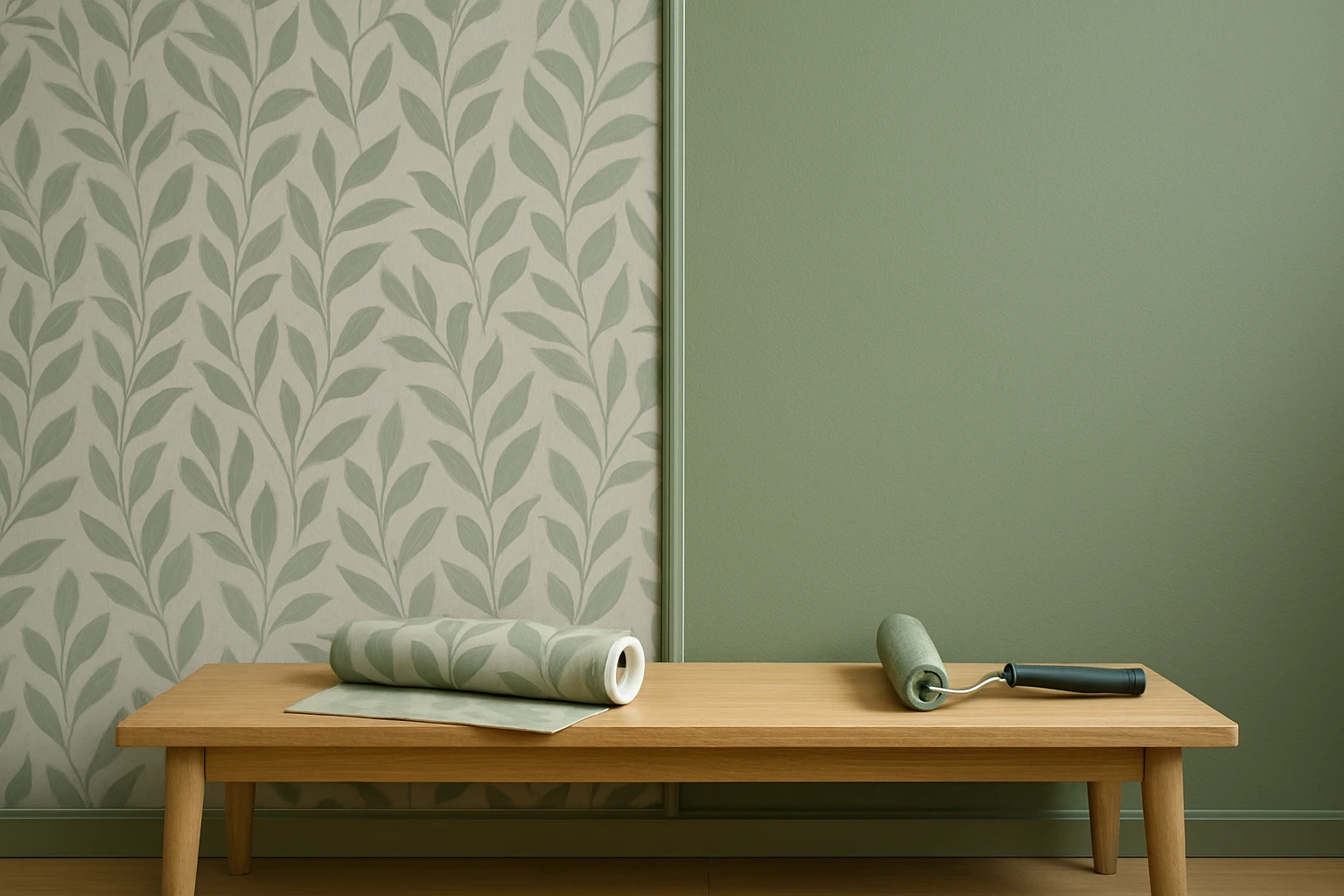
Traditional and peel-and-stick wallpapers offer different advantages, so consider your budget, design preferences, and installation needs before choosing between them.
– Installation: Traditional wallpaper requires adhesive and careful application, while peel-and-stick wallpaper has a self-adhesive backing that can make installation simpler.
– Durability: Traditional wallpaper may provide long-lasting results when installed correctly, but the performance of both options depends on material quality, surface preparation, and room conditions.
– Cost: Peel-and-stick wallpaper can be an affordable option for smaller projects, while traditional wallpaper may offer better long-term value depending on the product and installation costs.
– Design options: Traditional wallpaper is available in many patterns, textures, and colours. Peel-and-stick options also offer a wide range of designs, although the selection varies by supplier.
– Cleaning and maintenance: Maintenance depends on the wallpaper material and finish rather than the application method alone. Check whether the product is washable or wipe-clean before purchasing.
– Suitability for ceilings: Ceiling installation requires reliable adhesion. Always confirm that the wallpaper is suitable for overhead use and follow the manufacturer’s installation instructions.
In the End
Before using ceiling wallpaper, inspect your ceiling. Choose the style and kind you prefer. Choose colors, textures, and patterns that match your home design theme. Purchase samples to fit your surroundings. Always purchase well-reviewed items. Thus, you can guarantee quality.