The main purpose of curtains, beyond their aesthetic appeal, is to provide practical benefits such as light control, privacy, and comfort. One of their most important functions is blocking light, especially in bedrooms where a darker environment can support better sleep, even during the daytime.
In this guide, Design Furniture shares eight practical tips to stop light from coming through the top and sides of your curtains. Whether you need better blackout coverage for your bedroom or improved light control in your living room, these solutions can help make your window coverings more functional. If you are considering new window treatments, explore our custom curtains in Dubai to find options suited to your interior and light-blocking needs.
How to Stop Light Coming Through the Top of Curtains
To make your room darker, address gaps around the top of your curtains. Even blackout fabric may allow light to enter if the curtain track, rod, or window covering leaves open spaces. The following methods can help reduce light leakage from above.
1. Use Curtain Valances
A valance is a decorative window covering fitted across the top of a window. Usually made from fabric, it conceals the curtain rod or track and helps cover the gap above the curtains, reducing the amount of light that enters from the top.
Besides being practical, valances also enhance the appearance of your interiors. You can choose a fabric, color, and design that complements your existing curtains and furniture. For a coordinated finish, consider matching the valance with your bedroom curtains in Dubai to create a consistent look throughout the room.
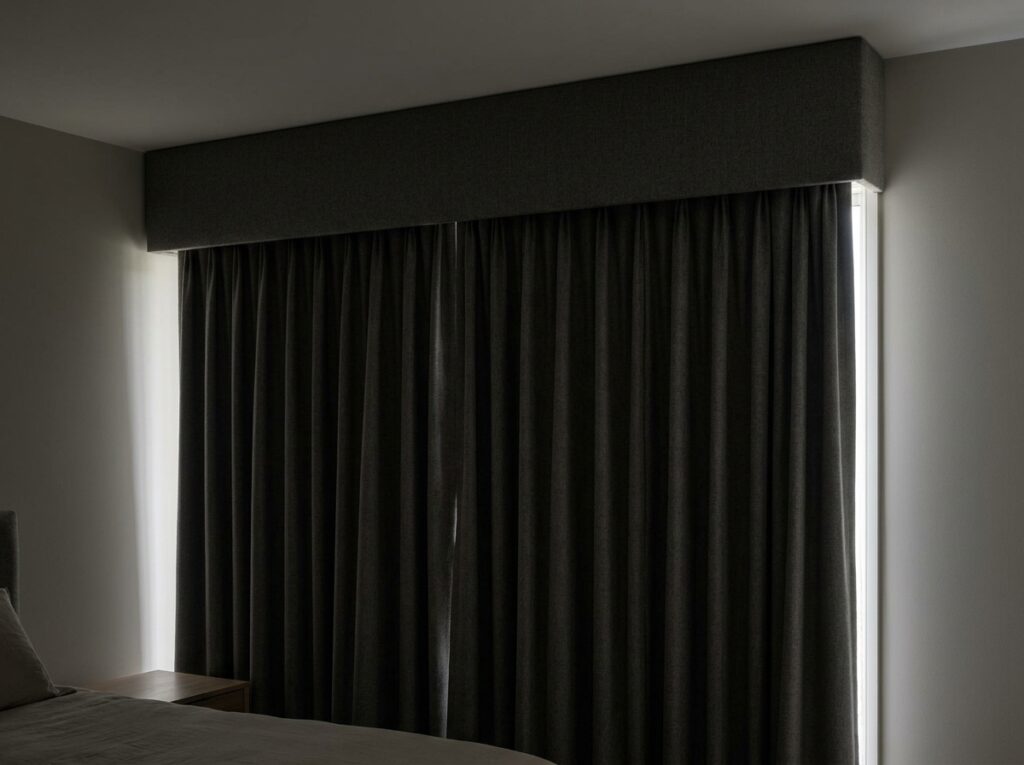
2. Try Cornices
A cornice is a decorative structure, often made from wood, MDF, or another rigid material, installed above a window. It can conceal curtain tracks and cover the gap between the top of the curtains and the wall, helping minimize unwanted light.
Cornices are available in different designs and finishes, making it easier to coordinate them with your interior décor. For improved light control, ensure the cornice is fitted appropriately and covers the relevant gaps. You can also combine it with blackout curtains for better coverage.
3. Layer with Shades or Blinds
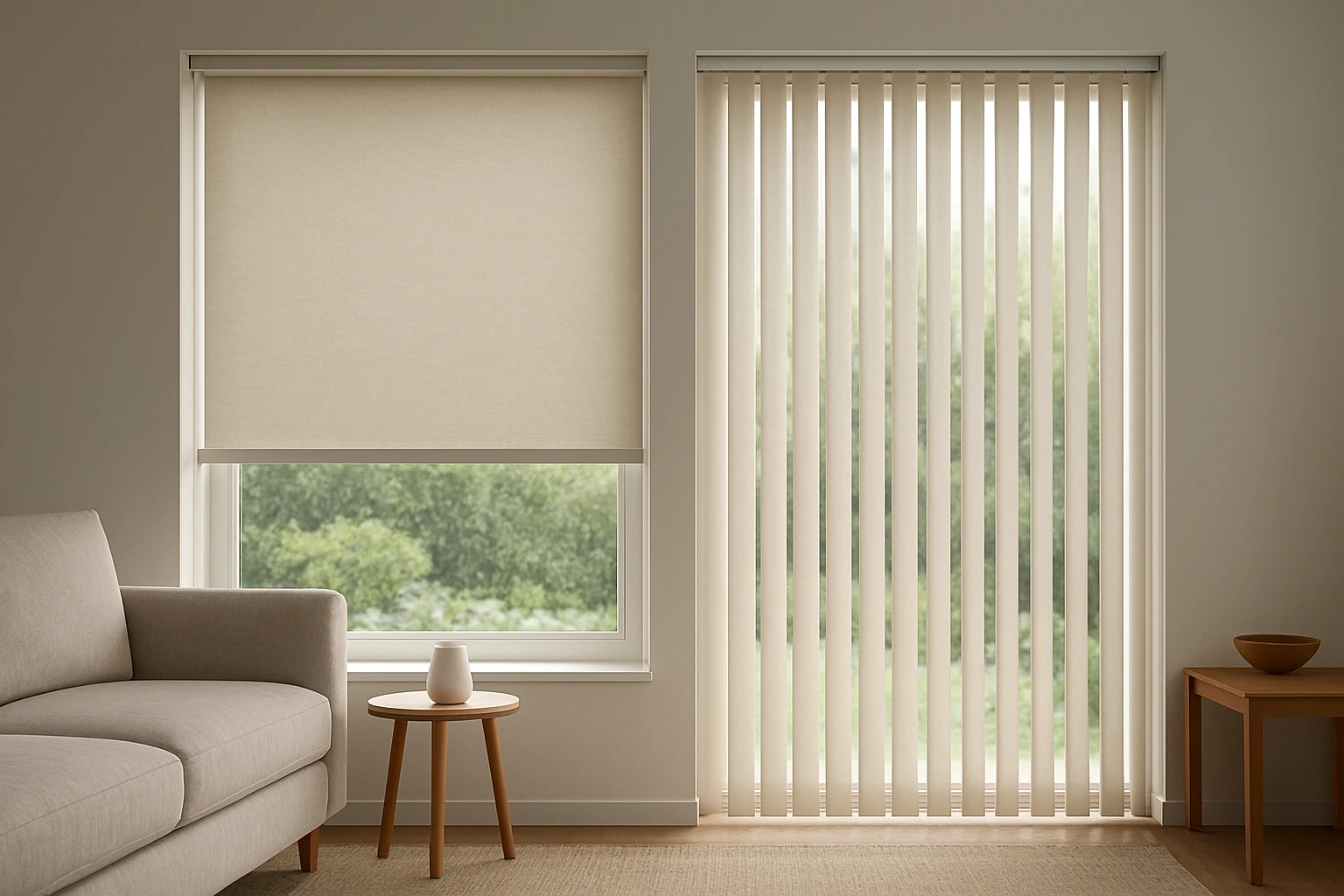
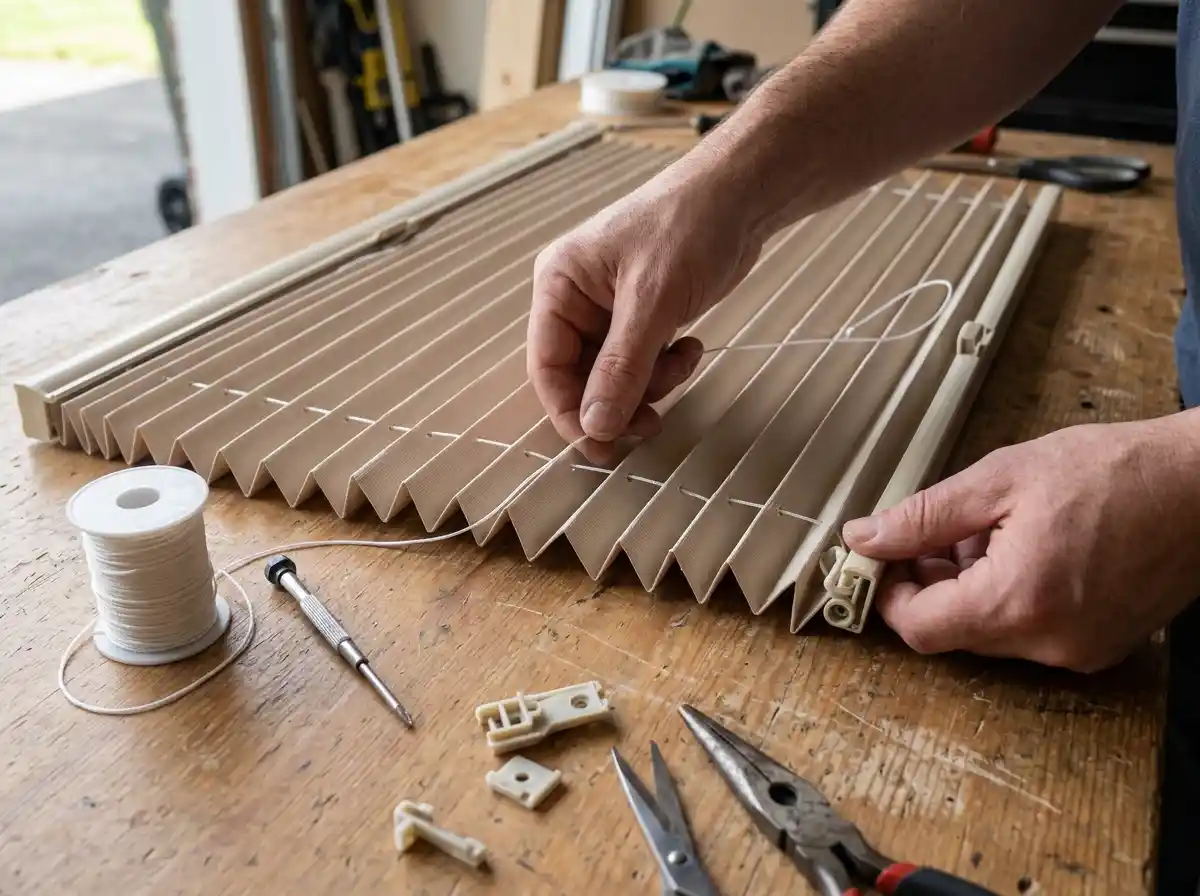
Pairing curtains with shades or blinds is another effective way to reduce unwanted light. This layered approach provides additional coverage while allowing you to adjust privacy and light levels throughout the day.
Cellular or honeycomb shades can help cover window gaps, while Roman shades and blackout blinds offer additional light-blocking options. The best choice depends on your window dimensions, mounting arrangement, and desired level of darkness.
If you want greater control over incoming daylight, explore different blinds in Dubai and consider combining them with curtains for a practical and coordinated window treatment.
4. Wrap the Curtains Around the Rod
Light can enter through gaps around the curtain rod, particularly near the upper corners of the window. Adjusting the curtains so that the fabric extends around the ends of the rod can help cover some of these openings.
This method may work well for minor gaps, although the results depend on the curtain design and rod placement. For more effective light control, consider using a wraparound curtain rod or a suitable side-return design that brings the fabric closer to the wall.
When choosing new window coverings, make sure the curtain width and track arrangement provide adequate coverage across the entire window.
How to Block Light from the Sides of Curtains
After addressing the top of your curtains, check the sides for gaps between the fabric, wall, and window frame. These openings can allow daylight to enter even when you use blackout curtains. The following techniques can help minimize side light leakage.
1. Use Magnetic Tapes
Magnetic tape can help hold compatible curtain edges against a metal surface or a matching magnetic strip installed near the window frame. This creates a closer fit and can reduce light entering through the sides.
It is a useful option for people looking for a relatively simple solution without making significant changes to their interiors. However, the effectiveness depends on the tape, curtain fabric, and mounting surface. Check compatibility before installation to ensure the magnetic strips hold securely.
For a more complete blackout setup, combine suitable side-sealing methods with blackout curtains made from light-blocking fabric.
2. Always Get the Right-Sized Curtains
Incorrect curtain measurements are a common reason for light leaking through the sides of windows. Curtains that are too narrow may leave exposed areas, while insufficient length can allow light to enter from below.
Measure the full width and height of your window before selecting your curtains. Allow sufficient extra width for the desired fullness and side coverage. The exact allowance depends on the curtain style, fabric, and installation method, so avoid relying on a fixed measurement for every window.
Choosing properly sized blackout curtains can improve coverage and help create a darker, more comfortable bedroom. If you are unsure about measurements, professional curtain installation in Dubai can help ensure your window coverings are fitted appropriately.
3. Install the Curtains Close to the Wall
Incorrect curtain placement can leave noticeable gaps between the fabric and the wall. If the curtain rod or track is positioned too far from the wall, light can pass through the sides even when the curtains are fully closed.
Position the rod or track as close to the wall as the window structure allows. You can also consider wider curtains, return brackets, or side channels to improve coverage. The right solution will depend on your window layout and the type of curtain system you use.
Professional curtain fitting services can help you select suitable mounting options and achieve a neat finish that supports better light control.
4. Attach Curtains with Adhesive Strips
Adhesive strips or suitable hook-and-loop fasteners can help hold curtain edges closer to the wall and reduce light entering through the sides. This can be a convenient option for renters or anyone looking for a temporary solution.
Before applying adhesive strips, check whether they are suitable for your wall finish and curtain fabric. Some adhesives can damage paint, wallpaper, or delicate materials when removed. For a more durable installation, consider purpose-designed curtain side channels or compatible fastening systems.
If you are updating your window coverings, choosing the right combination of curtain fabric, track placement, and side-sealing accessories can improve both appearance and functionality.
Conclusion
Reducing light leakage from the top and sides of your curtains can make your bedroom more comfortable and improve your control over daylight and privacy. Options such as valances, cornices, layered blinds, wraparound rods, and side-sealing accessories can help address common gaps around your windows.
The most suitable solution depends on your window measurements, curtain fabric, installation method, and desired level of darkness. For the best results, combine well-fitted blackout curtains with an appropriate track or rod system.
At Design Furniture, you can explore custom curtains in Dubai and blackout blinds to find window coverings suited to your home or office. Choosing the right materials and professional fitting can help you achieve a cleaner finish, better light control, and a more comfortable indoor environment.